
Gardening · Plant Care Sheet
Monstera
Monstera deliciosa
A stunning tropical aroid for indoor & outdoor gardens
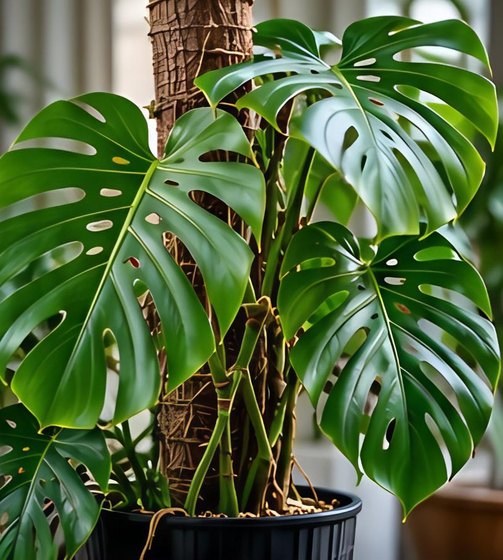
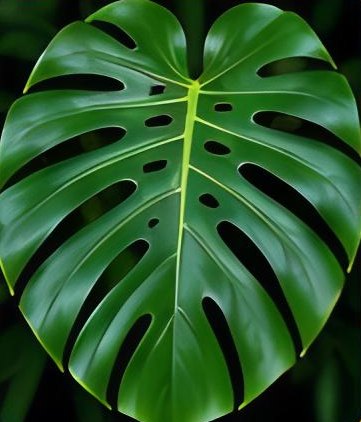
Monstera deliciosa is a popular tropical plant known for its large, glossy, heart-shaped leaves with natural holes and splits (fenestrations). It is easy to grow, adapts well to indoor conditions and adds a lush, exotic look to any space.
Also called: Swiss Cheese Plant, Split-Leaf Philodendron
Light
Bright, indirect light; tolerates low light but grows best in bright, filtered light
Temperature
18-30°C (65-86°F); avoid below 10°C (50°F)
Humidity
50-80%; higher humidity gives larger, more split leaves
Soil
Well-draining aroid mix (soil + perlite + orchid bark + compost)
Fertilizer
Balanced liquid feed (10-10-10) every 4-6 weeks in spring-summer
Size
1-3 m (3-10 ft) indoors with support; leaves 25-90 cm
Plant Identification
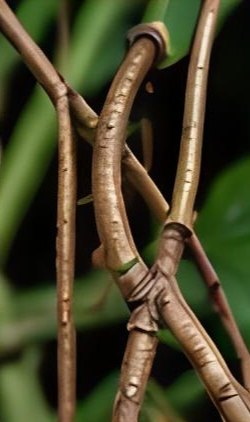
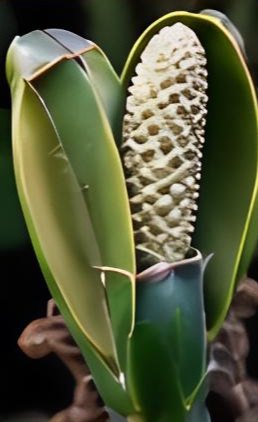
Varieties & Look-alikes




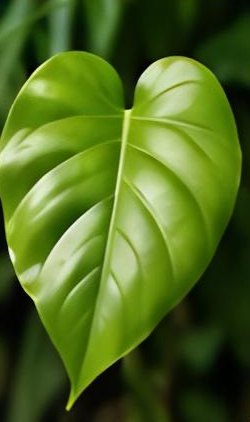
Look-alikes. Often confused with Monstera adansonii (smaller leaves whose holes stay enclosed rather than reaching the edge) and Rhaphidophora tetrasperma, sold as the "mini monstera" (much smaller plant and leaves).
Care Guide
Light
Prefers bright, indirect light: an east-facing window, or a few feet back from a south or west-facing one. It tolerates low light, but growth slows and leaves stay small with few or no splits (fenestrations).
Watering
Water when the top 2-5 cm (1-2 in) of soil is dry, then water thoroughly until it drains from the holes. Avoid waterlogging, which leads to root rot, but don't let the pot dry out completely for long periods either. Yellowing lower leaves and a sour smell from the soil both point to roots sitting too wet.
Soil
Use a chunky, fast-draining aroid mix — standard potting soil amended with orchid bark, perlite and a little charcoal. The goal is plenty of air around the roots, not a dense, water-retentive mix.
Temperature & Humidity
Comfortable at 18-30°C; keep it above 10°C. Average home humidity is tolerated, but at 50-80% humidity the plant grows larger, more deeply split leaves. A pebble tray or humidifier helps in dry or air-conditioned rooms.
Feeding
Feed with a balanced liquid fertilizer (10-10-10 or similar) every 4-6 weeks during the spring-summer growing season. Ease off or stop in winter when growth slows.
Pruning & Support
As a natural climber, it benefits from a moss pole or trellis to climb — leaves grow noticeably larger and more fenestrated when the plant can climb versus trail. Trim back leggy stems to encourage bushier growth.
Propagation
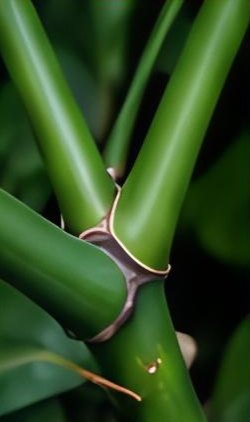
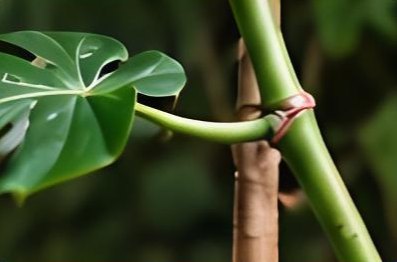
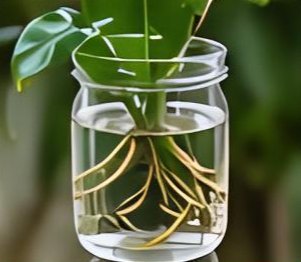
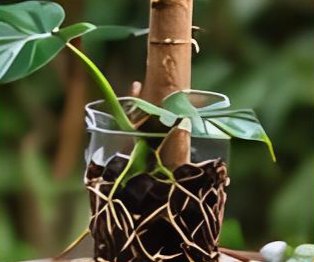
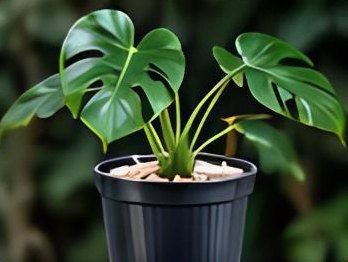
Easiest by stem cuttings with at least one node and aerial root, rooted in water or moist sphagnum moss. Roots typically appear within 3-4 weeks.
Repotting
Repot every 1-2 years, or when the roots outgrow the pot, moving up one pot size in spring. A rootbound Monstera shows stunted new leaves and dries out unusually fast.
Watering Guide

PropagationEasy
Common Problems & Solutions
 Yellowing leaves
- Overwatering
- Poor drainage
- Low light
- Natural aging
- Improve drainage
- Water only when top soil is dry
- Provide brighter light
- Remove old leaves
 Brown leaf edges
- Low humidity
- Underwatering
- Salt build-up
- Increase humidity
- Water regularly
- Flush soil occasionally
 No fenestrations
- Low light
- Young plant
- Lack of support
- Provide brighter indirect light
- Allow plant to mature
- Use a moss pole for climbing
 Leaf spots
- Fungal or bacterial infection
- Overwatering
- Poor air circulation
- Remove affected leaves
- Improve air circulation
- Avoid overhead watering
- Use fungicide if needed
 Pests
- Spider mites
- Mealybugs
- Scale insects
- Aphids
- Wipe leaves with alcohol
- Use insecticidal soap or neem oil
- Repeat treatment regularly
 Root rot
- Overwatering
- Poor drainage
- Remove affected roots
- Repot in fresh, well-draining mix
- Water less frequently
Seeing something that isn't listed? Pick the affected part and symptoms in the diagnostic tool for ranked causes with organic and chemical remedies.
Open Diagnostic Tool →Growth & Lifecycle
Mature Size
1-3 m (3-10 ft) indoors with support; leaves 25-90 cm (10-35 in) across
Growth Rate
Moderate to fast with bright light and a pole to climb
Bloom Time
Rarely flowers indoors; mature outdoor plants can after several years
Lifespan
Perennial — can live for decades with repotting
Monthly Care CalendarIndia
Mar - May
Summer
- Water regularly
- Feed every 4-6 weeks
- Provide humidity
- Protect from harsh afternoon sun
Jun - Sep
Monsoon
- Reduce watering
- Ensure good drainage
- Watch for fungal issues
- Keep in bright, shaded light
Oct - Nov
Autumn
- Resume regular care
- Feed monthly
- Good time for propagation and repotting
Dec - Feb
Winter
- Water less frequently
- No fertilizer or light feeding
- Keep in bright indoor light
- Protect from cold drafts
Extra Tips
- Clean leaves regularly to remove dust.
- Rotate the plant for even growth.
- Use a moss pole for larger, more fenestrated leaves.
- Keep away from direct harsh sunlight.
- Toxic to pets if ingested (contains calcium oxalate crystals).
- Can be grown outdoors in tropical and subtropical regions.
- Wipe aerial roots into soil or moss pole for better growth.
- Prune to maintain shape and remove leggy growth.
- A mature plant can produce edible fruit (tastes like a mix of pineapple and banana when fully ripe).
Where It Grows
A tropical understorey plant outdoors — thrives year-round only in frost-free, humid climates; everywhere else it's grown as a houseplant. Check your outdoor fit:
Check Your Region →Contains calcium oxalate crystals — toxic to cats, dogs and humans if chewed or eaten, causing mouth irritation and swelling. Keep away from pets and small children.
Care Poster
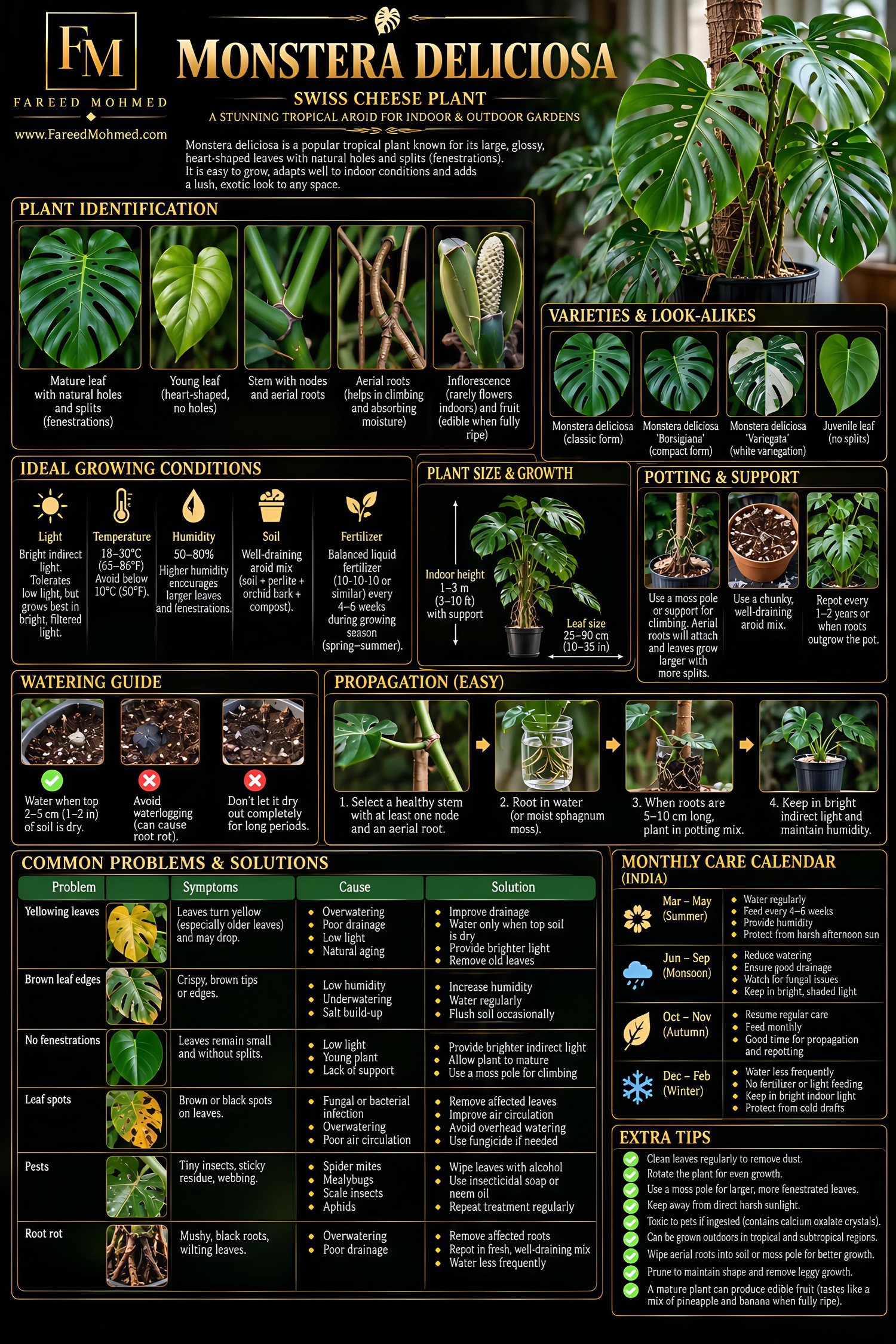
The whole care sheet on one page. Save it to your phone or share it with a fellow gardener.
Download Care Poster