
Engineering · Tool 03
Bolt Types & Applications
Find by Application · Head Shape · Best For
Twelve common bolt and screw types, drawn side-on, with what each one is actually for. Pick what the joint needs to do and the matching type shows up — or browse all twelve below. The head shape almost always tells you why a fastener was chosen — a countersunk head for a flush surface, a square-neck carriage bolt for a joint you can only reach from one side, a headless set screw so nothing sticks out at all.
Reference only. Icons are simplified schematics for quick recognition, not to scale or fully dimensioned — check the relevant standard (ISO, DIN or ASME) for exact geometry.
Find by Application
Pick what the joint needs to do, and the matching fastener type shows up below.
—
Typical applications
Visual Reference
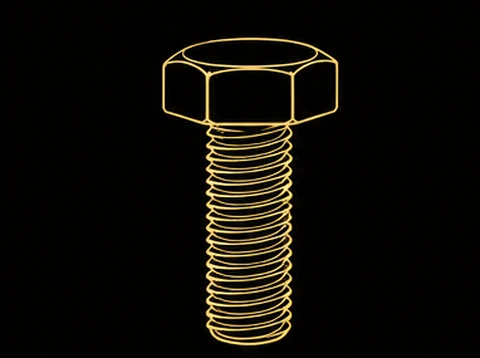
Hex Head Bolt
External hexagon head, driven with a wrench or socket from the top.
Typical applicationsGeneral machine assembly, structural steel connections, automotive — anywhere accessible from one side with room to swing a wrench.
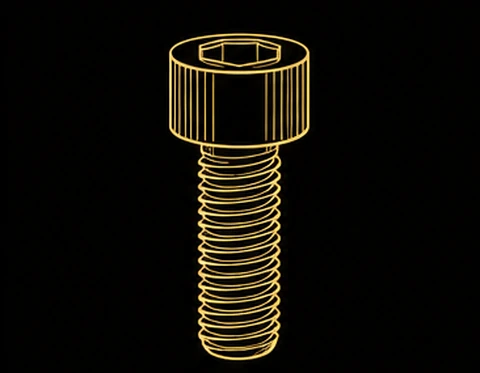
Socket Head Cap Screw
Cylindrical head with an internal hex (Allen) drive; better strength-to-size than a hex head.
Typical applicationsPrecision machine assembly, jigs and fixtures, tight clearance pockets — anywhere a compact, high-strength fastener is needed.
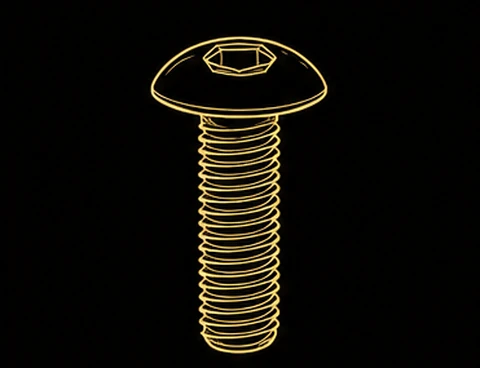
Button Head Cap Screw
Low, rounded head with an internal hex drive — a smoother, lower-snag profile than a standard socket head.
Typical applicationsGuards and covers, light-duty assemblies, exposed edges where a low rounded profile matters more than maximum head bearing area.
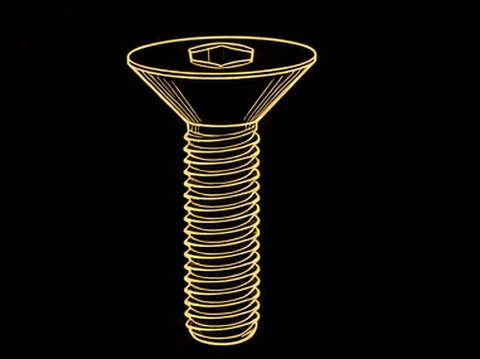
Flat (Countersunk) Head
Conical underside seats flush into a matching countersunk hole.
Typical applicationsSliding or mating surfaces that must sit flush, covers and panels — anywhere head protrusion isn't acceptable.
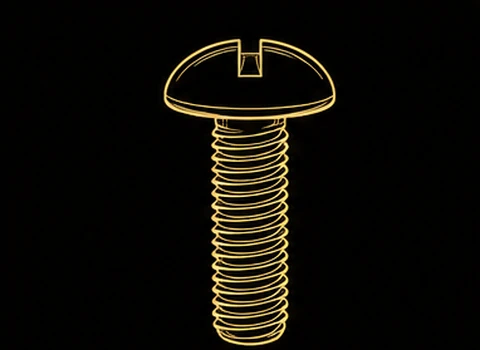
Pan Head Screw
Shallow domed head with a slot or cross drive — the everyday general-purpose machine screw head.
Typical applicationsElectrical enclosures, sheet metal assembly, general fastening where cost and appearance matter more than maximum head strength.
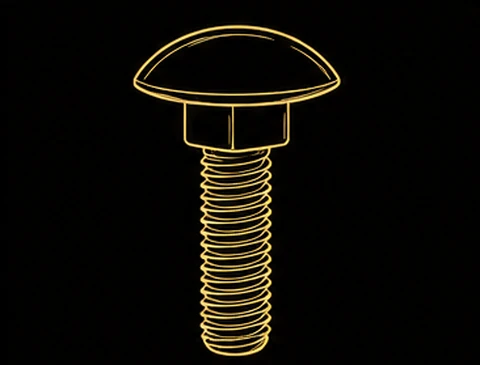
Carriage Bolt
Domed head over a square shoulder that bites into the mating material and stops the bolt spinning while the nut is tightened.
Typical applicationsWood-to-metal and timber framing, playground and outdoor structures — anywhere only the nut side is reachable for tightening.
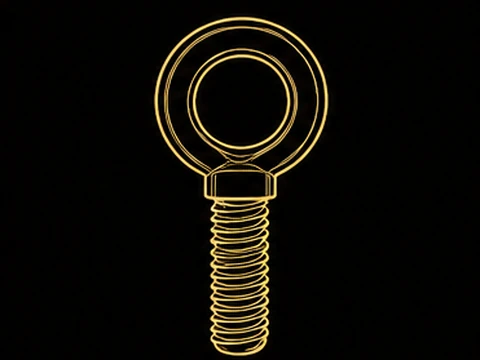
Eye Bolt
Head formed into a closed loop instead of a drive surface.
Typical applicationsLifting and rigging points, cable and chain attachment, tie-downs — always confirm the load rating and thread engagement before lifting.
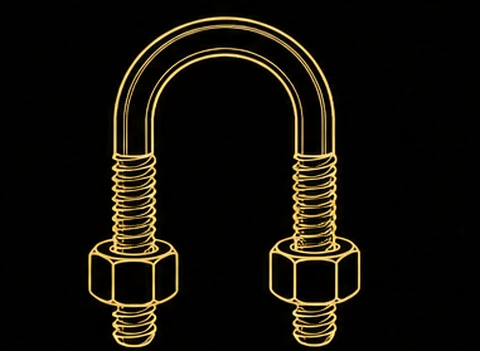
U-Bolt
Bent into a U-shape and threaded on both straight ends; tightened against a bracket or plate that straddles the object being clamped.
Typical applicationsClamping pipe or round tube to a structure, exhaust and suspension mounting, securing round stock to a frame.
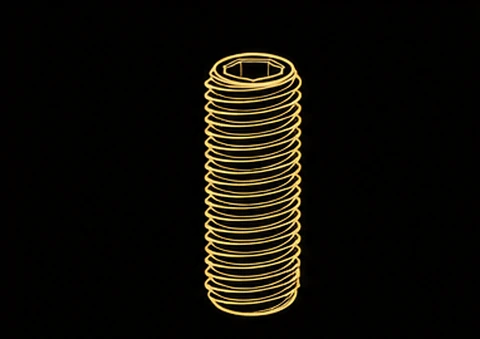
Set Screw (Grub Screw)
Headless and fully threaded; sits flush in a tapped hole and bears directly on the mating part.
Typical applicationsLocking pulleys, collars, gears and knobs onto a shaft — anywhere a protruding head would be in the way or a hazard.
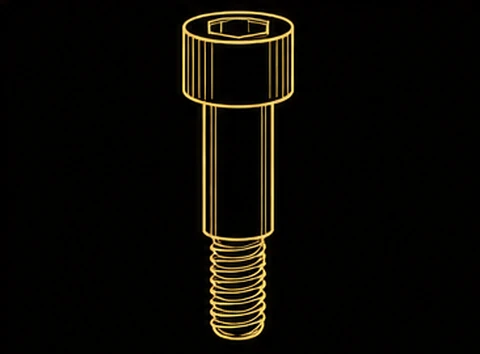
Shoulder Bolt
A precision-ground unthreaded shoulder does the locating and bearing work; a smaller threaded tip does the clamping.
Typical applicationsPivot points, cam followers, linkage pins — anywhere a bolt needs to act as a precise bearing surface as well as a fastener.
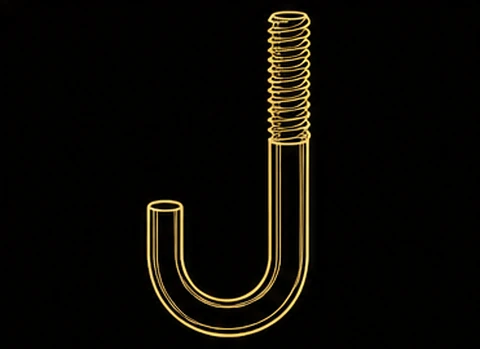
J-Bolt
Shank bent into a J or hook shape, threaded on the straight end.
Typical applicationsAnchoring into poured concrete, embedding in structures, foundation and tie-down connections.
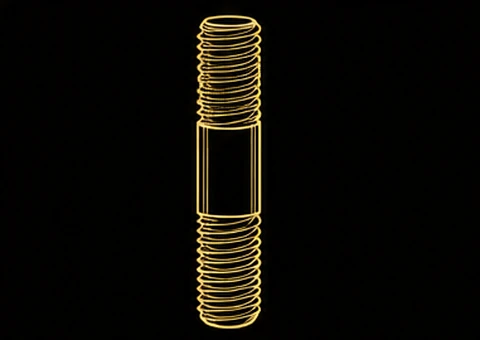
Stud (Double-End)
Threaded rod with no head, threaded at both ends — sometimes full length.
Typical applicationsFlange joints where nuts go on both sides, engine and pump housings — anywhere a fastener must be removable without unthreading from the base part.
Quick-Scan Table
| Type | What it is |
|---|---|
| Hex Head Bolt | External hexagon head, driven with a wrench or socket from the top. |
| Socket Head Cap Screw | Cylindrical head with an internal hex (Allen) drive; better strength-to-size than a hex head. |
| Button Head Cap Screw | Low, rounded head with an internal hex drive — a smoother, lower-snag profile than a standard socket head. |
| Flat (Countersunk) Head | Conical underside seats flush into a matching countersunk hole. |
| Pan Head Screw | Shallow domed head with a slot or cross drive — the everyday general-purpose machine screw head. |
| Carriage Bolt | Domed head over a square shoulder that bites into the mating material and stops the bolt spinning while the nut is tightened. |
| Eye Bolt | Head formed into a closed loop instead of a drive surface. |
| U-Bolt | Bent into a U-shape and threaded on both straight ends; tightened against a bracket or plate that straddles the object being clamped. |
| Set Screw (Grub Screw) | Headless and fully threaded; sits flush in a tapped hole and bears directly on the mating part. |
| Shoulder Bolt | A precision-ground unthreaded shoulder does the locating and bearing work; a smaller threaded tip does the clamping. |
| J-Bolt | Shank bent into a J or hook shape, threaded on the straight end. |
| Stud (Double-End) | Threaded rod with no head, threaded at both ends — sometimes full length. |
Explanatory Notes
Head shape follows function
Before picking a grade or a torque value, the head shape usually answers a more basic question: does this joint need to sit flush, stay low-profile, resist spinning while a nut goes on from the far side, or avoid a protruding head altogether? Start there — strength and coating come after the shape is settled.
Headless fasteners aren't weaker
A set screw or a stud isn't a lesser fastener for lacking a head — it's a different load path. A set screw transfers load through friction and a flat or cup point bearing on the shaft; a stud clamps two parts between nuts on either end. Neither relies on a head bearing surface the way a bolt does.
Rigging and lifting hardware
Eye bolts and similar lifting hardware carry a rated working load that depends heavily on the angle of pull — straight up is the rated case; pulling at an angle derates it significantly. Never treat a general-purpose eye bolt as rigging hardware without checking its actual rating.
Cross-reference with the other tools
Once the type fits the joint, the Bolt Grades tool covers strength and torque, and Bolt & Tap Drill Sizes covers the hole it goes into.
Scope: this covers common machine-building fastener types. Anchors (wedge, sleeve, chemical), rivets and other non-threaded fasteners aren't included here.